
Home Blog

Creating a Pet-Friendly Habitat: Designing Shared Spaces for Puppies and Reptiles

creating pet friendly habitat
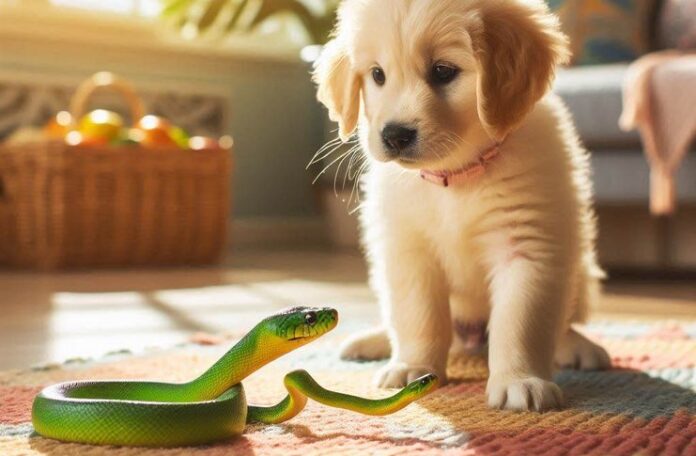
Photo by Meta AI

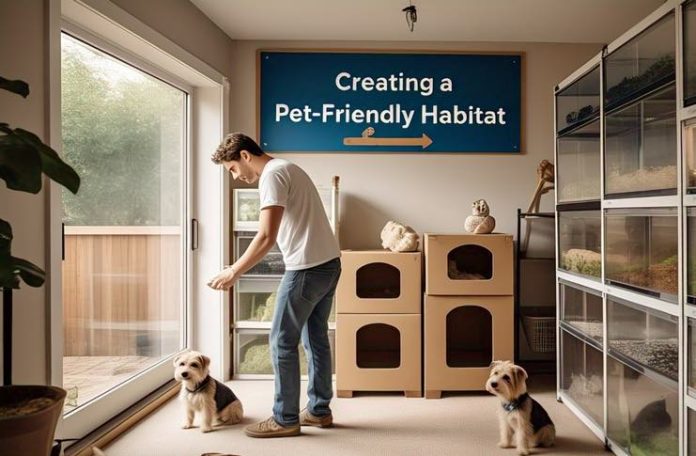
Sharing your home with both a wiggly puppy and a serene reptile might sound like the beginning of a cartoon, but for many multi-pet households, it’s a real—and totally achievable—dream. While dogs and reptiles may seem like an unlikely duo, thoughtful design and a bit of planning can turn your home into a peaceful retreat where both pets feel safe, stimulated, and right at home. The key is understanding their vastly different needs and creating a space that honors them equally. As part of our pets tips section, we’ll delve into some useful tips on how to create a pet-friendly habitat.

Creating a harmonious environment where curious puppies and fascinating reptiles coexist begins with thoughtful planning and attention to each species’ needs. Whether you’re moving both pets into a new home or simply redesigning your current space, integrating reliable animal transportation services into the process can smooth the transition and reduce stress for all involved. Inadequate preparation often leads to safety risks or behavioral issues, so taking the time to design shared areas that respect the natural instincts of both puppies and reptiles is essential. A well-planned habitat not only safeguards physical health but also fosters mental enrichment and positive interactions.

Combining Puppy Zones and Reptile Enclosures

The addition of specialized puppy and reptile areas requires both ingenuity and pragmatism. For puppies, a safe playpen or an enclosed space around family members will help them interact with others while remaining confined and safe. The puppy areas should have chew-proof barriers, slip-resistant floors, and enrichment items like secure toys or chewable snacks. Hygiene and comfort are achieved through adequate ventilation and materials that are easily cleaned. In the meantime, the reptile enclosures are also well-built and have solid locks to keep prying paws out of the way of heating lamps or glass sides. Creating reptile environments on a level that puppies cannot reach also reduces accidental exposures and possible injuries.

Balancing Common Work Areas

Puppies are social animals, and thus having a common area would encourage family members to spend time there, which would automatically attract the puppy to that area. When done correctly, this can be enriching to both species by integrating reptile viewing stations nearby. The viewing stations could contain glass-fronted terrariums where large viewing windows are at the eye level of adults, and puppies cannot knock down or interfere with the enclosure. Placing these stations where the hands and paws of young children cannot reach saves accidents and still enables family members to see the reptiles safely. An enclosure can also be secured to a stand or even a wall mount to prevent the puppy from jumping or sniffing.

Designing and Materials That are Safe

The choice of building materials and furnishing is critical as it helps to reduce risk. Sealed flooring (moisture and scratch resistant) with smooth surfaces facilitates easy cleaning of spills or displacement of substrates that may result from accidents. Stay away from carpets that hold debris or bedding where the inquisitive puppies can consume. Instead, opt for vinyl or tile flooring and washable area rugs in high-traffic areas. In reptile habitats, tempered glass or high-quality acrylic can reduce the risk of the glass cracking due to a chance impact. To prevent the risk of the puppy or reptile chewing on the electrical cords, they should be secured behind cord guards or placed inside cable conduits to minimize the risk of damage.

Encouraging Mental Nutrition of Both Animals

In addition to safety, the mental stimulus helps avoid boredom and fosters overall well-being. Puppies enjoy scent games, puzzle toys, and brief training exercises that challenge their young minds. Having the enrichment stations in places that are not in the same vicinity as the enclosures of the reptiles will help the play to remain undisturbed. Toys should be switched regularly to prevent resource guarding and to maintain novelty. In the case of reptiles, adding hiding places, climbing branches, or feeding puzzles to the tank will recreate their natural environment and promote curiosity. Reptiles also engage in selective thermoregulation by partitioning their enclosure into various substrate zones or temperature gradients, encouraging them to move naturally within their enclosure.

Supporting Caregiver Workflow

Creating the habitat with the efficiency of caregivers in mind facilitates the daily maintenance routine and minimizes the risks of oversight. Put puppy supplies, including bowls, leashes, and cleaning supplies, within easy access of the play area, preferably in a closed cabinet or strong basket. Likewise, reptile group care items such as food, supplements, and cleaning equipment are placed close to the terrarium to prevent cross-contamination. Mark storage bins and keep a brief checklist of feeding times, clean-ups, and temperature monitoring. Caregivers will be able to observe the puppy antics and the delicate care needs of reptiles because they are not spending time walking back and forth across the room to retrieve items.

Having several species share a roof can be a rewarding experience when their habitats are well-planned. Having separate areas (for puppies and reptiles), maximizing safety with the use of hard materials, and encouraging mental stimulation depending on the species under consideration, you can develop a harmonious environment in which both pets thrive. The inclusion of effective work patterns among caregivers and monitored communal activities also contributes to the balance, allowing families to experience the most optimal environment. Your house can be transformed into a pet-friendly oasis that caters to the specific needs and behaviors of puppies, as well as reptiles.

Protecting Your Pet Through Life’s Ups And Downs

Protecting Your Pet
Photo by Japheth Mast on Pexels.com

The whole welfare and happiness of your cat depends on loving surroundings. A regular daily schedule customized to fit their particular needs helps to create security that can greatly lower anxiety and behavioral problems. Knowing the particular needs of your animal friend and giving them consistent care helps you improve their physical condition and deepen the emotional link you two have. Moreover, keeping a consistent care plan and being ready for crises guarantees that your pet stays secure and supported across all the ups and downs of life. So without further ado, as part of our tips for pet owners section, let’s explore how you can protect your pet during its ups and downs.

Establishing a routine

Your pet’s well-being depends on a constant daily schedule involving regular feeding times, walks, and play sessions since it helps to create security and lower anxiety. Including cat insurance in your budget will help to safeguard their health and guarantee coverage through many difficulties. Frequent training courses also help you build your link and support excellent behavior, promoting a more contented, balanced existence together.

Watch this video for a great pet routine:

Understanding your pet’s needs

Your pet’s health and happiness depend on you realizing its different needs. Every animal has particular demands connected to its breed, age, and personality that affect its diet, activity, and social contact. Seeing their behavior could help one understand their needs—more playing, a different diet, or a quiet place to unwind. Being sensitive to these needs can help you create an environment that promotes their mental and physical well-being, guaranteeing they flourish through all life transitions.

Planning for emergencies

Your readiness for unanticipated events may improve your pet’s safety and well-being. Create an emergency pack comprising food, water, drugs, first aid supplies, and identity tags. Learn about neighborhood animal hospitals and veterinarians, as well as pet-accepting emergency shelters. Having a well-defined evacuation strategy that includes your pet can also help reduce crisis-related tension. Acting early ensures your animal friend stays safe and cared for no matter what obstacles develop.

Providing consistent care

Your pet’s general health and happiness depend on keeping a consistent degree of attention. Preventive treatments, vaccinations, and routine veterinary visits guarantee that your pet remains healthy and help to identify any possible problems early on. Their regimen’s Important components include regular dental care and grooming, which help avoid discomfort and later health issues. By committing to a consistent care routine, you not only improve the quality of life for your pet but also build the trust and bond you share, thereby ensuring they feel safe and loved through all the changes of life.

Conclusion

Basic elements of proper pet ownership that greatly affect the well-being of your furry buddy are establishing a schedule, knowing your pet’s needs, making emergency plans, and giving constant attention. Creating disciplined surroundings and being aware of their particular needs will help you to build security and pleasure that improves their quality of life. Proactive actions such as regular veterinary treatment and emergency readiness are further guarantees that your pet stays safe and healthy. In the end, these behaviors improve your pet’s emotional and physical well-being and strengthen your relationship so that both of you can confidently and lovingly negotiate life’s obstacles together.

Reptile Food Tips: How to Keep Your Pet Happy and Healthy

Reptile Food Tips
Photo by Tom Fisk on Pexels.com

When you’re a reptile owner, your number one priority should be the well-being of your pet. Reptile food tips can play a major role in keeping your reptile healthy. Here is a rundown of what your pet reptile can eat, both fresh and cooked, to keep him healthy.

What is the best diet for pet reptiles?

In terms of what they eat, reptiles can be grouped into four types:

There are specific dietary requirements for reptiles. For the most part, reptiles can eat a combination of fresh food and species-specific prepared foods (such as extruded pellets), except the small number of carnivores that do better with whole prey.

Prepared foods, entire prey, and fresh vegetables are just a few examples of the many food options available to your pet.

Looking for vegan reptiles? Watch this video:

Prepared Foods 

Prepared foods, entire prey, and fresh vegetables are just a few examples of the many food options available to your pet. Incorporating these reptile food tips can ensure your pet gets the right balance. All reptiles, whether carnivores or omnivores, can benefit from the added vitamin and mineral content of prepared diets. It might be challenging to keep track of all the vitamins and supplements your pet needs daily if you only give him fresh or live food. Meals are typically offered in pellets, powdered form, or freeze-dried mixtures. Here are four types of ready-to-eat meals that your pet might enjoy.

#01. Pellets

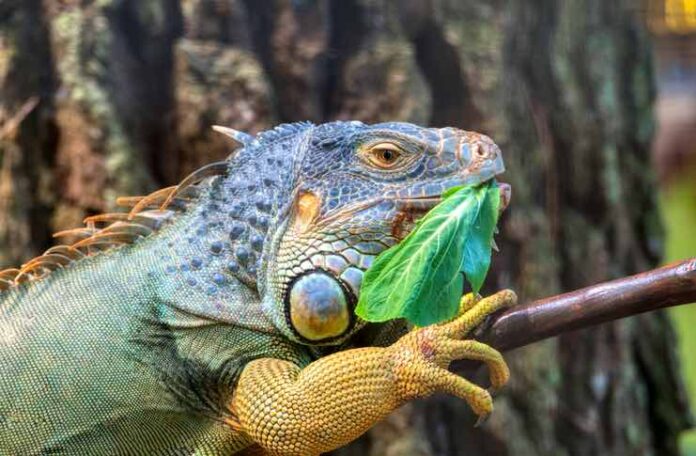
Because they usually come in ready-to-eat formulae that are mixed to give your pet the exact combination of protein, minerals, and vitamins that they require, extruded pellets are a fantastic option. Never feed green iguana pellets made for a turtle; instead, acquire the kind made for your specific species. (Also, check that the bottle says the pellets are for a main meal, not a snack or supplement, for your pet.)

These three examples can serve as the main course or be combined with fresh foods:

  • The best food for land turtles and tortoises is extruded food pellets made of plants, berries, flowers, and even insects.
  • For aquatic turtles who eat mostly crustaceans and fish, we have Aquatic Turtle Extruded Food Pellets.
  • For your bearded dragon’s omnivorous diet—which includes plants, flowers, and insects—we have Bearded Dragon Extruded Food Pellets. It has all the nutrients, vitamins, and proteins your body needs to flourish and look its best.

#02. Powdered mixture

The crested gecko and other fruit-eating geckos often ingest powdered mixtures as a kind of prepared diet. You can easily give your pet all the nutrition and vitamins he needs using powdered mixtures. Having said that, live insects are a good complement for any gecko, including fruit-eating ones.

The Gecko Gold Powdered Diet provides all the necessary nutrients for fruit-eating geckos, including protein, vitamins, and minerals.

#03. Non-hydrolyzed Protein

You can provide all the nourishment your insectivores or omnivores need in a delicious, easy-to-serve form with dehydrated meat products. While some can serve as a complete meal for your pet, others are more suited for occasional treats, so be sure to read the labels carefully. I have three choices:

For omnivores like tegus, bearded dragons, water dragons, and box turtles, try Reptile Munchies Omnivore. Either this or fresh food and pellets can make up your pet’s daily diet.

The nutrient-dense Reptile Munchies River Shrimp can stand on its own as a pet food, or it can be supplemented with pellets and greens. Excellent for axolotls, salamanders, and turtles.

Mealworms for Reptiles: Mealworms are more of a pleasure than a main source of nutrition. An excellent choice for chameleons, leopard geckos, and bearded dragons.

If you’re looking for a stable supplier, TopFlight Dubia has all that you need for your reptile’s appetite.

#04. Veggies and Fruits That Have Been Dehydrated

Dehydrated fruit and vegetable combinations provide all the nutrients your pet needs in a convenient, pleasant form, making them a great choice for both carnivores and herbivores. As a treat for your pet, offering them live or entire, fresh prey can bring variety to their diet and provide mental stimulation that can enrich their day-to-day life. This is true whether your pet is an omnivore, carnivore, or insectivore.

Brown crickets, grasshoppers, and mealworms are some of the insects that insectivores love. Even though omnivores don’t particularly seek them out as they age, these bugs are nonetheless tasty.

Your Pet’s Health Depends on Its Proper Diet

To maintain your pet’s health, it is essential to feed him a balanced diet. Finding out if your reptile is a herbivore, insectivore, carnivore, or omnivore is the first step. The next step is to learn about the species’ unique requirements, such as whether they prefer commercially prepared food or the occasional fresh vegetable treat. Consult your vet if you’re still confused, and for more detailed reptile food tips, refer to additional expert resources to make the best decisions for your pet’s diet.

Can a Dog Co-Exist with a Snake in the Same House? My research and Thoughts.

Can a Dog Co-Exist with a Snake in the Same House
Created with AI

Hi, I’m Louis, a 31-year-old pet lover with a soft spot for all things furry, scaly, and in-between. Over the years, I’ve shared my home with several dogs, but recently, I’ve been captivated by the idea of adding a snake to my pet family. This got me wondering—can a dog and a snake actually co-exist peacefully in the same house? Being naturally curious (and maybe a little nerdy), I dove deep into some research to find out. As part of dog tips section, here’s what I discovered.

Understanding the Basics (even if it’s obvious): Dogs vs. Snakes

First off, let’s talk about the obvious: dogs and snakes are completely different animals with very different needs. Dogs are social mammals that thrive on companionship, whether it’s from humans or other animals. They’re naturally curious and often like to explore their environment using their nose and mouth—something that might not go over well with a snake.

Snakes, on the other hand, are solitary reptiles that don’t need social interaction in the same way dogs do. They’re cold-blooded and require specific environmental conditions, like temperature-controlled habitats, to stay healthy. Many snakes are also instinctively prey-driven, which could lead to some tense moments if they perceive a dog as a threat.

Potential Risks: What Could Go Wrong? A lot!

One of the first things that popped up during my research was the potential risks involved in keeping both a dog and a snake under the same roof. Here are a few scenarios that could spell trouble:

  1. Injury to the Dog: Depending on the type of snake, there’s a real risk of your dog getting bitten, especially if the snake feels threatened. Venomous snakes pose an obvious danger, but even non-venomous ones can inflict painful bites that could require veterinary care.
  2. Stress for the Snake: Dogs are naturally inquisitive and might want to sniff or paw at the snake’s enclosure, which could cause a lot of stress for the snake. Chronic stress can weaken a snake’s immune system and make it more susceptible to illness.
  3. Escape Risks: Snakes are escape artists, and if one were to get out of its enclosure, there could be a dangerous interaction with the dog. Whether it’s a curious pup getting too close or a snake trying to defend itself, the outcome could be disastrous.

Can It Work? Yes, But with Precautions

While the risks are real, it’s not impossible for a dog and a snake to co-exist, but it requires a lot of careful planning and management. Here are some of the key precautions I’ve come across:

  1. Separate Spaces: The most important step is to ensure that your snake has a secure, escape-proof enclosure that your dog can’t access. Place the enclosure in a room that your dog doesn’t frequent, or consider using a barrier like a baby gate to keep the two pets separated.
  2. Supervised Interactions: If you do allow your dog to be in the same room as the snake’s enclosure, always supervise the interaction. Watch for any signs of stress in either animal, and be ready to intervene if necessary.
  3. Training Your Dog: Teaching your dog to stay away from the snake’s enclosure is crucial. Positive reinforcement techniques can help here—rewarding your dog for ignoring the snake or calmly leaving the room can go a long way.
  4. Snake-Safe Environment: Make sure the snake’s enclosure is placed in a quiet, low-traffic area of your home. This will help minimize stress for the snake and reduce the likelihood of your dog being overly interested.

Think about what snake to choose

If you’re seriously considering adding a snake to your household, it’s essential to choose a species that’s less likely to pose a threat to your dog. Smaller, non-venomous snakes like corn snakes, king snakes, or ball pythons are generally better options. These species are typically less aggressive and easier to manage, but you’ll still need to take all the necessary precautions.

The answer is “YES BUT.”

So, can a dog co-exist with a snake in the same house? The answer is a cautious yes—but only with the right preparation, vigilance, and respect for both animals’ needs. As much as I love the idea of having a snake slithering around in a safe enclosure while my dog snoozes nearby, I know it’s not a decision to be taken lightly. 

If you’re like me and love pets of all kinds, just remember that keeping different species together requires a lot of commitment, care and a budget to afford different costs like insurances. But with the right approach, it’s possible to create a harmonious environment where everyone can thrive.

Puppy Socialization Tips: Ensuring a Well-adjusted Pet

Puppy Socialization Tips
Photo from Pixabay.com

Bringing home a puppy is like inviting a tiny, furry whirlwind into your life—one that chews on your shoes, steals your socks, and melts your heart in the blink of an eye. But amidst the chaos of puppy kisses and playful antics, there’s one thing you can’t forget: socialization. Think of it as teaching your little furball the ropes of life, ensuring they grow up to be the confident, well-mannered pooch you can proudly show off at the park. In this guide, as part of our dog tips section, we’ll dive into the art of puppy socialization, with tips that are as fun as a game of fetch and as essential as belly rubs. 

Puppy Socialization is necessary to build connections among pets and with other people. It gives a manageable lifestyle to puppies. The puppy gets exposed to various situations and circumstances during socialisation training. Ready to turn your pup into the best-behaved dog on the block? Let’s get started!

Tips to Follow for Puppy Socialization:

You can follow these tips to ensure your puppy gets the socialization skills he needs: 

Socialize in Early Weeks.

Your Puppy’s socialization “training” should start from day one when you take him home. It is the perfect time to introduce a puppy to your home, and the environment in which the puppy is going to live. This will help your puppy to adjust with you in less time.

Expose with other Animals and People.

One of the useful tips is to bring your puppy in contact with other animals of different breeds. He will learn how to react when he will be exposed to other breeds. It will generate a positive attitude for the puppy. Moreover, expose your puppy with other people too. All you can do is introduce him to your relatives. You can also take your puppy with you on a morning walk. It will be a great social experience. Inviting your friend or taking your puppy to your friend’s home is also a good idea!

Watch this video to learn more:

Teach them Patience.

One trick to achieve puppy socialisation is to teach your puppy consistency and patience. It makes the puppy’s mind relax and he can deal with triggered situations with patience. Teach your puppy patience with moral practice. For example, eat before him with patience and with small bites.

Watch this for some more tips on teaching your dog patience:

Observe Your Puppy’ Reaction.

Making a keen observation about your puppy gives you an idea of how your puppy reacts in various conditions. Make this observation while the puppy is in front of you. Another experiment that you have to do is observe the puppy’s behaviour in your (the owner) absence. It will reveal much more about your puppy’s reactions and it will be useful for his socializaion process. You might be surprised to know, but also dogs experience seperation anxiety.

Provide a Controlled Environment.

A controlled environment means you create some situational targets for your puppy’s socialization, but these situations should be under your control. This ensures that your pup is exposed to new experiences without feeling overwhelmed. For instance, you might invite a friend over who your puppy hasn’t met yet, but make sure it’s a calm and positive interaction.

Or, you could take your pup to a quieter part of the park where they can encounter new sights and sounds without the chaos of a busy playground. Gradually introducing these new elements in a controlled way helps build your puppy’s confidence while also allowing you to step in if things get too intense. The goal is to strike a balance between challenging your puppy and keeping them safe and comfortable, setting the stage for a well-rounded, sociable dog.

Watch this video to learn more:

Introducing Sounds.

First, test your puppy by introducing mild sounds. You will see how your puppy reacts to these sounds. Gradually introduce him odd sounds. You can introduce some intense sounds that can put stress on a puppy’s brain. But keep in mind that this session should be of very short periods. The sole purpose of this session should be to get your puppy to learn the different sounds out there. 

Arrange Short Rides.

Don’t keep your puppy at home all the time. It can limit your puppy’s socialisation with other people. You can arrange short rides for your puppy to make them confident. You can take them with you in your car. But make sure you have a properly adjusted seat belt protecting your puppy. It will be a great entertainment for the little guy. They enjoy these kind of short drives and refreshes their minds. Your puppy will learn how to sit in the car. He will also learn alternate behaviour as well.

Expose Puppies to Crowds.

Usually trainers ask you to take puppies to give them a public exposure. But do not take your puppy in public until he get vaccination. Rather, when you buy cute doodles, ask about their vaccination first. Don’t expose him to a huge crowd first. They can harm kids in crowds if they are not properly trained. Let’s introduce him to normal crowds i.e family gathering etc. Later, you can take them to big crowds their socialisation.

Playtime with Safe Toys.

Treat your puppies like children. Playing with safe toys is necessary for a healthy mind. When the little kids play with puppies you can introduce safe toys in their playtime. It will fill a colour of enjoyment and connection between children and the puppy. It will help the puppy to socialise with children. But keep in mind that you have introduced soft toys. Do not use hard toys that can harm your puppy in any way.

Watch this video for some ideas on the best puppy toys out there:

Conclusion

We discussed some useful tips that can help in your puppy’s socialization. To make your puppy adjustable and manageable, you can use all of the above tips. These tips include exposure to the public, teaching the puppy consistency, arranging some exciting rides and many more. All these tips boost confidence in little puppies. It will also induce ethical behaviour in your puppies. Pets will learn respect, patience, morals and many more!

Veterinary Response to Venomous Snake Bites: Protocols and Procedures

Veterinary Response to Venomous Snake Bites
Photo by Luca J on Unsplash

Snake bites in livestock often lead to localized swellings at the bite area, with the extent of swelling dependent on the targeted tissue and the venom quantity introduced. Beyond the immediate effects, snake venom can significantly impact animals’ nervous systems. Affected animals may display symptoms such as tremors, paralysis, convulsions, or behavioral alterations.

The intensity of these neurological manifestations varies based on the snake species and venom dosage administered, ranging from mild to severe. Here are some protocols and procedures you should follow before getting to a vet.

First Aid

When venomous snakes bite your animal, treat it as a medical emergency. Immediate care at a veterinary hospital should precede attempting first aid measures. First aid should involve restricting the animal’s movement and ensuring swift transportation. Many traditional field treatments lack effectiveness and may pose risks to the patient.

Avoid using cold packs, hot packs, incision with suction, and tourniquets. Due to the potential for elapid venom to induce respiratory paralysis, animals bitten by coral snakes should be transferred to a facility capable of continuous monitoring and providing mechanical ventilation.

Watch this video to learn more on how to save your pet or animal after a snake bite:


Approaches to Diagnosing Snake Bites by Veterinarians

Common symptoms of snake bites include pronounced and sudden swelling in the limb or face, lameness, and severe breathing difficulties. In some cases, the bite marks may appear as two small circles, although they might be challenging to identify. Venomous bites typically result in more severe clinical manifestations, while non-venomous or “dry” bites may exhibit less swelling and fewer symptoms.

Treatment of Snake Bites

If you suspect a snake has bitten your animal, contact your veterinarian immediately; aim to keep your animal calm while either loading and trailering to your veterinary clinic or waiting for your vet to arrive on site. Increased stress and movement will boost your animal’s blood flow, potentially spreading the venom further.

In cases where your animal experiences severe respiratory distress and struggles to breathe properly, a temporary tracheostomy may be necessary to ensure your animal receives sufficient oxygen, reducing their stress levels. If your veterinarian anticipates this situation, they might advise you to secure cut pieces of hose in the nasal passages to maintain an airway until they conduct an examination.

To mitigate tissue damage and address potential shock, your animal will receive steroids (such as dexamethasone) and anti-inflammatories (like Banamine or Phenylbutazone). Additionally, antibiotics may be administered as snakes can inadvertently introduce bacteria into the wound through their bites, preventing infections from any necrotic tissue that could develop.

Snake Bite Recovery and Management

Recovery from facial injuries typically takes a few days with proper medical care. Wounds on the legs may require a longer healing period as these limbs have less skin and blood circulation, making skin shedding possible.

If an animal gets bitten near a joint by a snake, it may experience significant lameness due to inflammation and pain. If your animal shows facial swelling, avoid feeding it on the ground to prevent edema from worsening with gravity, potentially affecting eating, drinking, and breathing. In rare situations, snake bites can result in clotting problems, internal bleeding, and tissue damage later on.

For some tips on nutrition for snake recovery – watch this video:

Endnote

Most animals can recover with proper medical care. If you suspect your animal has been bitten, it is crucial to have it examined by a veterinarian promptly.

Lessons from the Cobra Kingdom on What To Do After Getting Into A Serious Car Accident

Lessons from the Cobra Kingdom
Photo by Saman Films on Pexels.com

Getting into a serious car accident can be a frightening and disorienting experience, much like encountering the unexpected strike of a cobra in the wild. In both situations, quick thinking and decisive action can make all the difference between survival and further harm. As part of our animal blog lessons, this article explores essential steps to take after a serious car accident, drawing parallels from the swift and calculated responses of cobras in the animal kingdom.

Assessing the Immediate Situation

Stay Calm and Still

After a car accident, it’s crucial to remain calm, much like a cobra poises before it strikes. Take a moment to assess your surroundings and check for any injuries to yourself and others involved.

Ensure Safety

Like cobras, which seek safety and protection, prioritize safety after a car accident. Move to a safe location if possible, away from oncoming traffic or any potential hazards.

Watch this video to see how cobras seek safety and build amazing nests:

Check for Injuries

Just as cobras assess their prey for vulnerabilities, check yourself and others for injuries. If anyone is seriously injured, call emergency services immediately.

Taking Immediate Action

Call Emergency Services

In the event of a serious car accident, dial emergency services without delay. Inform them of the location, number of individuals involved, and any injuries that require immediate medical attention.

Provide Aid if Safe to Do So

If you are trained in first aid and it is safe to do so, administer basic medical assistance to those injured. This could include CPR, controlling bleeding, or stabilizing neck and spine injuries.

Gather Information

Similar to how cobras gather information about their environment, collect essential details about the accident. This includes the names and contact information of other parties involved, vehicle license plate numbers, insurance information, and eyewitness accounts.

Managing Post-Accident Considerations

Document the Scene

Documenting the accident scene is crucial for insurance claims and legal purposes. Take photographs of vehicle damage, road conditions, and any relevant factors that may have contributed to the accident.

Contact Your Insurance Provider

Notify your insurance provider as soon as possible to initiate the claims process. Provide them with accurate details of the accident and follow their instructions for filing a claim.

Seek Medical Evaluation

Even if injuries seem minor, seek medical evaluation promptly. Some injuries, like internal trauma or whiplash, may not be immediately apparent but can worsen without treatment.

Legal and Practical Steps

Consult with an Attorney

If you’re one of our followers in Colorado, consider consulting with a car accident attorney located in the Westminster, Colorado area. An attorney can provide guidance on your rights, insurance claims, and potential legal actions.

Understand Your Rights

Educate yourself on your rights under local traffic laws and insurance policies. Understanding these rights can help you make informed decisions regarding compensation and legal recourse.

Keep Records

Maintain thorough records of all medical treatments, expenses, and communications related to the accident. These records will be valuable for insurance claims and potential legal proceedings.

Emotional Recovery and Support

Seek Emotional Support

After a serious car accident, seek emotional support from friends, family, or a therapist. Processing the emotional impact of the accident is essential for recovery, much like cobras rely on their pack for support and protection.

Focus on Recovery

Prioritize your physical and emotional recovery, similar to how cobras focus on healing after a confrontation. Follow medical advice, attend follow-up appointments, and engage in activities that promote healing and well-being.

Conclusion

Encountering a serious car accident can be a daunting experience, but taking swift and decisive action can significantly impact your recovery and the outcome of the situation. Drawing parallels from the calculated responses of cobras in the animal kingdom, staying calm, assessing the situation, and taking immediate action are key to navigating the aftermath of a car accident effectively. By following these steps, seeking appropriate support, and understanding your rights, you can pave the way for a smoother recovery and resolution after a serious car accident, much like the resilience and adaptability observed in the animal kingdom.

A Journey Through the Animal Kingdom: Navigating The Personal Injury Lawsuit Appeals Process

Animal Kingdom
Photo by Klub Boks on Pexels.com

Conflict and disputes are part and parcel within the animal kingdom’s grand and multifarious world. Territorial battles and fights for survival often leave animals at a standstill with one another. It would really be something to see them kind of have some system of laws where parties can find justice for the wrongs done unto them. As part of our animal blog, this whimsical yet instructive journey will take us through the personal injury lawsuit appeals process in a way that it might be agreed upon by the animal kingdom. We are going to comprehend all of the twists and turns involved in the appeals process a little better from this particular perspective.

The Injured Squirrel Case

Our story takes place deep in the forest, where a young squirrel, Nutty, was injured when he fell, because Rocky—a playful raccoon—was acting foolishly. Nutty broke his leg and could not get food for the long, cold winter. He had to sue for his injuries. 

But in the world of animals, this court is the Forest Court. With Wise Owl sitting as the arbiter, nutty goes to the front to air his assertions. Nutty presents together with him apparent evidence of Rocky’s child’s play and declares that other animals inhabiting the forest will come forth as witnesses to testify in the case. But Rocky justifies it as an accident and asserts that it was not his intention to commit any animosities.

After hearing the arguments from both sides, the Wise Owl gives the judgment in Nutty’s favor to compensate for the medical expenses and the food share that he lost. However, Rocky feels that this is unfair on his side and filed an appeal. So from that point fever, the appeal process started with its labyrinth process.

Watch this video to get a glimpse into understanding justice in the animal kingdom:

The Appeal: Preparing for the Higher Court

Like all cases in the human world, the Court of Appeal consists of three honorable judges: The Lion, The Elephant, and The Eagle. Rocky must prepare a brief that convinces all of these judges that the judgment handed down by Wise Owl is flawed. He must fill out the following styled components:

1. Notice of Appeal

Rocky would file a notice of appeal to the Court of Appeals. This is a filing within a certain amount of time that puts notice to invalidate the decision that was rendered in the lower court. The notice is typically filed within 30 days of the original ruling. Rocky’s grounds of appeal should include the types of errors that exist on how the lower court applied the law or whether they conducted the trial sessions.

2. Preparing the Record on Appeal

This record shall be an extensive compilation of all documents, evidence, and transcript documents that make up a trial. Rocky must make sure this record is complete and contains every single thing that took place in the trial. This is on account of the way that the appellate judges will focus intensely on this record when reviewing the case.

3. Submitting Briefs

Rocky and Nutty drafted written briefs for the Court of Appeals—long, detailed legal arguments outlining each side’s stance. Rocky’s would argue why the original verdict was wrong, that there were legal errors which, therefore, represented misreadings. Nutty’s brief, drafted along with team members like Beaver and Fox, very rose to the other side: why the verdict should stand.

The Appellate Hearing: A Clash of Wits

Once the briefs are filed, the Court of Appeals sets a case for hearing. The hearing presents the parties with an opportunity to argue their respective cases in person. Such hearings can be colorful affairs within the animal kingdom—well-attended by various creatures fascinated by this process.

1. Oral Arguments

The wise and articulate Parrot is now the experienced Kent personal injury lawyer representing the case of Rocky in the oral arguments before the judges. Pointing out, what Wise Owl did was a mistake in the law, since he had not considered some mitigating circumstances in the behavior of Rocky. Furthermore, the Parrot feels that the compensation awarded to Nutty was excessive.

The sharp, tenacious Badger counters these arguments with an emphasis on the extent to which Nutty was really injured and the evidence that clearly indicates Rocky’s negligence. Badger argues that it was a fair, just decision on the part of Wise Owl, and one that should be upheld.

2. Judges’ Questioning

Here the learned judges apportion equally their wise and incisive minds in questioning the case on either side. There, heavy Judge Lion fully roars his question for receipt of legal precedents from Parrot. Slow Judge Elephant turns his sharp attention in probing to the evidence on record that was produced in the course of trial. Yet, sharp-eyed strategist among the judges, Eagle, expresses his wonder if the awarded compensation is to be proportionate enough.

The Decision: Awaiting the Verdict

Following the argument, the appellate judges go back to deliberate. The process may take weeks because the judges review the record on appeal, the briefs, and oral arguments. They try to establish if the decision of the lower court was legal or if they needed to reverse it or change it.

  1. Affirm, Reverse, or Remand The Court of Appeals may take several courses of actions to have its decision at hand these are:

Affirm: If the judges find no mistake in Wise Owl’s decision, he will affirm the original verdict, which means that Nutty’s compensation remains intact.

Reverse: If the judges determine that significant legal errors occurred, they may reverse the decision, which could result in a new trial or a different outcome altogether.

Remanding: Since other times, the judges remand the case back to the Forest Court for further process with instructions on how specifically the errors already identified need to be corrected.

  1. To write an opinion.

More than that, the appellate judges must pen an opinion—a generally lengthy explanation of their decision. Often the opinion will serve as legal precedent in future cases, helping to define what and how the law should be applied in similar cases in the tea. Usually, the task of drafting the opinion falls first to Judge Lion with irregular help from Judge Elephant and Judge Eagle. 

The Final Verdict: Justice in the Animal Kingdom

Finally, from the review process, the Court of Appeals rules with due consideration. In our tale, let’s suppose the judges now validate the legal decision of Wise Owl, saying they found no major mistakes of law. Disappointed but very fair in this process at the appellate level, Rocky rolls with it. 

Nutty is relieved, thankful, as he gets compensation and time to rest from the injuries. The community of the forest witnesses the whole process and feels it even deeper: the rule of law at work, the office’s attention, and the value of exacting justice.

Lessons from the Animal Kingdom 

Navigating the appeals process for personal injury within the animal kingdom, entirely made up and bordering on the fantastical, does add some insights to our actual legal system. 

That process is so incredibly vital, and it’s a core process to be able to right any possibility of judgmental wrong and assure that the law’s findings are indeed fair and just.

This allegorical tale gives us the very important idea of rigorous preparation, juicy legal arguments, and the legal acumen that experienced judges possess. 

Justice is a lofty ideal in both the animal world and among humans—it requires commitment, integrity, and dedication to fairness. In the story of Nutty and Rocky,justice unfolds in all its complex, slow ways—but it remains to preserve harmony and the order of any society, be it human or animal.

An Animal Kingdom Perspective on How To Manage Medical Treatment In A Workers’ Compensation Case

Animal Kingdom Perspective on How To Manage Medical Treatment
Photo by Mikhail Nilov on Pexels.com

In the vast and vibrant tapestry of the animal kingdom, survival and well-being are paramount. Just like in human societies, accidents and injuries can befall creatures great and small. When an animal sustains an injury or falls ill due to its role within its ecosystem, managing its medical treatment effectively is crucial for its recovery and continued contribution to its community. In this article, as part of our animal blog section, we’ll explore the parallels between managing medical treatment in a workers’ compensation case and caring for injured animals, highlighting the strategies and practices that can ensure their well-being.

Understanding the Role of Animals in Their Ecosystems

In the animal kingdom, each species has a specific role, often referred to as its “ecological niche.” For example, bees are vital pollinators, wolves regulate prey populations, and elephants maintain savanna ecosystems by uprooting trees. When an animal is injured or sick, it can disrupt these intricate ecological balances. Therefore, providing appropriate medical care is essential not only for the individual animal but also for the health of the entire ecosystem.

Identifying and Diagnosing Injuries

The first step in managing medical treatment for an injured animal is identifying and diagnosing the problem. Just as in human workers’ compensation cases, early detection and accurate diagnosis are critical. This often involves observing the animal’s behavior for signs of distress or abnormality. For instance, a bird with a broken wing might exhibit difficulty flying or perching, while a limping deer could indicate a leg injury.

Veterinarians and wildlife rehabilitators play a crucial role in diagnosing injuries in animals. They use various tools and techniques, such as X-rays, blood tests, and physical examinations, to determine the nature and extent of the injury. This diagnostic process is akin to the medical assessments conducted in human workers’ compensation cases, where accurate diagnosis is the foundation for effective treatment.

Watch this video for more:

Securing Permits and Authorizations

Rehabilitating wildlife often requires specific permits and authorizations from government agencies. These permits are essential for legally handling and treating injured animals, especially if they belong to protected species. Obtaining the necessary documentation can be a complex process, involving detailed applications and compliance with stringent criteria.

A workers’ compensation lawyer in Washington D.C. can assist in preparing and submitting these applications, ensuring that all required information is accurately provided. They can also represent rehabilitation centers in interactions with regulatory bodies, addressing any legal challenges that may arise during the permit acquisition process.

Creating a Treatment Plan

Once an injury is diagnosed, the next step is to develop a comprehensive treatment plan. In the animal kingdom, this plan must consider the specific needs and natural behaviors of the injured animal. For instance, a predator like a lion or a hawk may require a different approach to treatment than a herbivore like a rabbit or a deer.

Treatment plans often include rest, medication, and sometimes surgery. Rest is particularly crucial, as it allows the animal’s body to heal naturally. In wildlife rehabilitation centers, injured animals are often provided with quiet, stress-free environments where they can recover. This is similar to the concept of light-duty work in workers’ compensation, where injured workers are given tasks that do not exacerbate their condition.

Medication plays a significant role in treating injuries and illnesses. Pain relievers, anti-inflammatory drugs, and antibiotics are commonly used to manage pain and prevent infections. Administering these medications requires careful consideration of the animal’s size, species, and health status. Veterinarians must calculate dosages accurately to avoid adverse effects.

Rehabilitation and Physical Therapy

Rehabilitation is a critical component of medical treatment for injured animals, just as it is for injured workers. Physical therapy can help restore mobility and strength. For instance, an injured bird may need wing exercises to regain its ability to fly, while a mammal with a broken leg might require guided movements to prevent stiffness and muscle atrophy.

Wildlife rehabilitators often design specific exercises and activities to aid in the animal’s recovery. These activities mimic natural behaviors, encouraging the animal to use its injured body parts in a safe and controlled manner. For example, a turtle recovering from a shell injury might be placed in a shallow water tank where it can swim gently, promoting muscle strength without risking further injury.

Watch this video to learn more:

Monitoring Progress and Adjusting Treatment

Continuous monitoring is essential to ensure that the treatment plan is effective. Just as in workers’ compensation cases, where regular medical check-ups are necessary, veterinarians and rehabilitators must observe the animal’s progress closely. They assess factors such as pain levels, mobility, and overall health to determine if adjustments to the treatment plan are needed.

In some cases, an animal’s condition may not improve as expected, necessitating changes to the treatment approach. This could involve switching medications, modifying rehabilitation exercises, or even opting for surgical intervention if initial treatments are ineffective. Flexibility and adaptability are key to successful recovery.

Addressing Psychological Well-being

An often-overlooked aspect of medical treatment in both human and animal care is psychological well-being. Animals, like humans, can experience stress, anxiety, and depression, especially when injured or confined to unfamiliar environments. Ensuring their mental health is an integral part of the recovery process.

Providing enrichment activities and social interaction can help alleviate stress in injured animals. For social species, maintaining contact with conspecifics (members of the same species) is crucial. For solitary animals, offering toys, puzzles, and other forms of mental stimulation can prevent boredom and promote positive behaviors.

Preparing for Release or Return to Duty

The ultimate goal of medical treatment for injured animals is to enable them to return to their natural habitats or roles within their ecosystems. This is similar to helping injured workers reintegrate into the workforce. Preparing an animal for release involves several steps, including ensuring that it has regained sufficient strength and skills to survive independently.

Wildlife rehabilitators conduct “soft releases,” where animals are gradually reintroduced to their natural environments under controlled conditions. This may involve providing supplemental food and shelter initially, then gradually reducing human assistance as the animal becomes more adept at fending for itself. The success of this process is evaluated through post-release monitoring, which helps assess the animal’s adaptation and survival.

Collaboration and Education

Effective management of medical treatment for injured animals requires collaboration among various stakeholders, including veterinarians, wildlife rehabilitators, conservationists, and the public. Sharing knowledge and resources can enhance the quality of care provided to injured animals.

Public education is also vital. Raising awareness about the importance of wildlife conservation and the role of medical treatment in preserving animal populations can garner support and resources for rehabilitation efforts. Educational programs can teach people how to respond to injured animals they encounter and encourage responsible behaviors that minimize harm to wildlife.

Conclusion

Managing medical treatment in a workers’ compensation case within the animal kingdom involves a multifaceted approach that parallels human medical care. From accurate diagnosis and tailored treatment plans to rehabilitation and psychological well-being, each step is crucial for the successful recovery and reintegration of injured animals. By applying these principles, we can ensure the health and vitality of the creatures that play indispensable roles in maintaining the balance of our natural world.

The Role of Collaboration in a Divorce: Lessons from the Animal Kingdom

Collaboration in a Animal Kingdom
Photo by Wolfgang Weiser on Pexels.com

Divorce is often seen as a battle, with two sides pitted against each other in a struggle for assets, custody, and peace of mind. However, this adversarial approach can lead to prolonged stress, emotional turmoil, and unsatisfactory outcomes for all involved. Instead, collaborative divorce offers a path that prioritizes cooperation and mutual respect.

For animal lovers and those intrigued by the natural world, the concept of collaboration can be illustrated through the behaviors and survival strategies of animals, including the fascinating dynamics of cobras and other creatures. As part of our general Animal Blog section, This article explores the role of collaboration in divorce, drawing parallels to animal behavior to highlight how working together can lead to better results.

Understanding Collaborative Divorce

What is Collaborative Divorce?

Collaborative divorce is a legal process that allows couples to resolve their disputes outside of court, through cooperative negotiation. It involves:

  • A team of professionals: This may include lawyers, financial advisors, and mental health professionals, all trained in the collaborative process.
  • Open communication: Both parties agree to communicate openly and honestly, sharing all relevant information.
  • Shared goals: The focus is on reaching a mutually beneficial agreement, particularly regarding child custody, financial arrangements, and property division.

Lessons from the Animal Kingdom

The Power of Collaboration Among Cobras

Cobras, often perceived as solitary and dangerous, exhibit fascinating collaborative behaviors, particularly in the context of survival and reproduction. For instance, the King Cobra, the largest of the venomous snakes, shows remarkable parental care. Both male and female King Cobras work together to build a nest and protect their eggs, ensuring the survival of their offspring. This partnership underscores the importance of collaboration for the well-being of future generations, a concept directly applicable to divorce negotiations involving children.

Watch this video to see how the Kind Cobra builds a nest for his family:

Key Components of Collaborative Divorce

1. Communication and Transparency

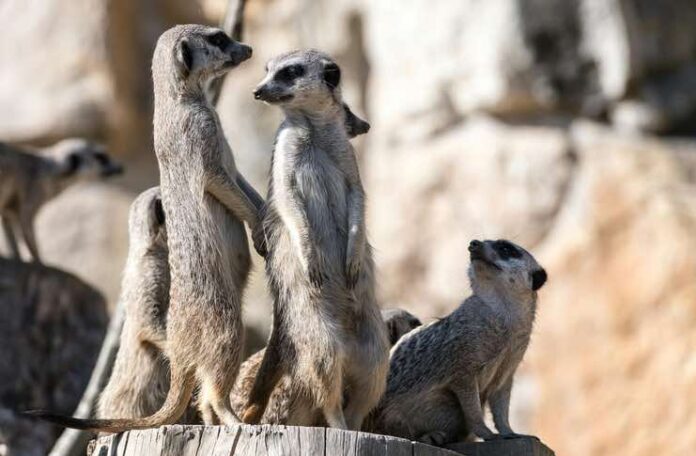
Animal Parallel: Meerkats are known for their complex social structures and communication methods. They use a variety of vocalizations to convey messages and ensure the safety and cohesion of the group.

Watch this video to learn more about the Meerkats’ natural social network:

In collaborative divorce, effective communication is crucial. Just as meerkats rely on vocal signals to protect their community, divorcing couples must prioritize clear and honest communication to resolve disputes and make informed decisions.

2. Professional Support

Animal Parallel: Wolves operate in packs, with each member playing a specific role. The pack’s success relies on the cooperation of all its members, including the alpha pair, hunters, and caregivers.

Watch this video to learn more about the wolves and how they operate in packs:

Similarly, a successful collaborative divorce involves a team of professionals. Lawyers, financial advisors, and therapists work together, each bringing their expertise to support the couple in reaching a fair and sustainable agreement.

3. Focus on the Future

Animal Parallel: Penguins, particularly Emperor Penguins, demonstrate a strong focus on future generations. They endure harsh conditions to protect their eggs and ensure the survival of their chicks.

In a collaborative divorce, the focus is on creating a stable and positive future for both parties, especially when children are involved. This forward-thinking approach helps to minimize conflict and promote long-term well-being.

Watch this video to see how Emperor Penguins guard their eggs:

Benefits of Collaboration in Divorce

1. Reduced Conflict and Stress

By choosing collaboration over confrontation, couples can reduce the emotional and psychological stress associated with divorce. This approach fosters a more amicable relationship, which is particularly beneficial when co-parenting children.

2. Faster Resolution

Collaborative divorce often leads to a quicker resolution compared to traditional litigation. The process is streamlined through cooperative negotiation, avoiding the delays and complexities of court proceedings.

3. Customized Solutions

Collaboration allows for more personalized solutions tailored to the specific needs and circumstances of the family. This flexibility can lead to more satisfactory outcomes for both parties.

Challenges and How to Overcome Them

1. Initial Resistance

Couples may initially resist the idea of collaboration due to mistrust or fear of compromise. Education about the benefits and success stories of collaborative divorce can help overcome this resistance.

Animal Parallel: In the animal kingdom, initial wariness is common. For example, according to various research, dolphins may be cautious when encountering new members of their pod but eventually integrate them through play and cooperative behaviors.

2. Emotional Hurdles

Divorce is inherently emotional, and feelings of anger, betrayal, or sadness can hinder the collaborative process. Professional support, such as therapy or counseling, can help individuals manage these emotions and stay focused on the goals of collaboration.

Animal Parallel: Elephants exhibit strong emotional bonds and support each other in times of distress, demonstrating the importance of emotional support within a community.

3. Complexity of Issues

Financial arrangements, property division, and child custody can be complex and contentious issues. A structured approach with clear communication and professional guidance can help navigate these complexities.

Animal Parallel: Bees work together in highly organized and complex structures, ensuring the survival and efficiency of the hive. Their collaboration in addressing complex tasks can serve as an inspiration for human cooperation in divorce.

Practical Steps for a Collaborative Divorce

1. Choose the Right Professionals

Select a team of professionals experienced in collaborative divorce. Ensure that they understand your goals and are committed to the process.

2. Establish Ground Rules

Agree on ground rules for communication and negotiation. These should include commitments to honesty, respect, and confidentiality.

3. Prioritize the Well-Being of Children

If children are involved, their well-being should be the top priority. Develop a parenting plan that supports their emotional and physical needs.

4. Be Open to Compromise

Collaboration requires a willingness to compromise and find mutually acceptable solutions. Keep an open mind and focus on the bigger picture.

5. Utilize Professional Support

If you’re one of our followers in Denver, for example, take advantage of the expertise offered by experts in your area, like financial advisors, therapists, and also aggressive Denver divorce attorneys to ensure that all aspects of the divorce are addressed comprehensively.

Conclusion

Divorce does not have to be a battleground. By embracing the principles of collaboration, couples can navigate this challenging transition with greater ease and mutual respect. Just as animals like cobras, meerkats, wolves, and penguins demonstrate the power of collaboration in their survival strategies, humans can learn from these examples to create more harmonious and constructive divorce processes. Prioritizing communication, professional support, and the well-being of children can lead to better outcomes for all involved, setting the stage for a more positive future.